

Medical weight loss uses prescription medication, supervised by a provider, alongside the bloodwork and monitoring that should come with it. Most patients here use a GLP-1 medication — semaglutide or tirzepatide. Which one suits you depends on your history, your other conditions and what your labs show, not on which name you have heard most.
What happens first
Why We Run Labs Before Prescribing
Weight that will not move is a symptom, and it has more than one cause.
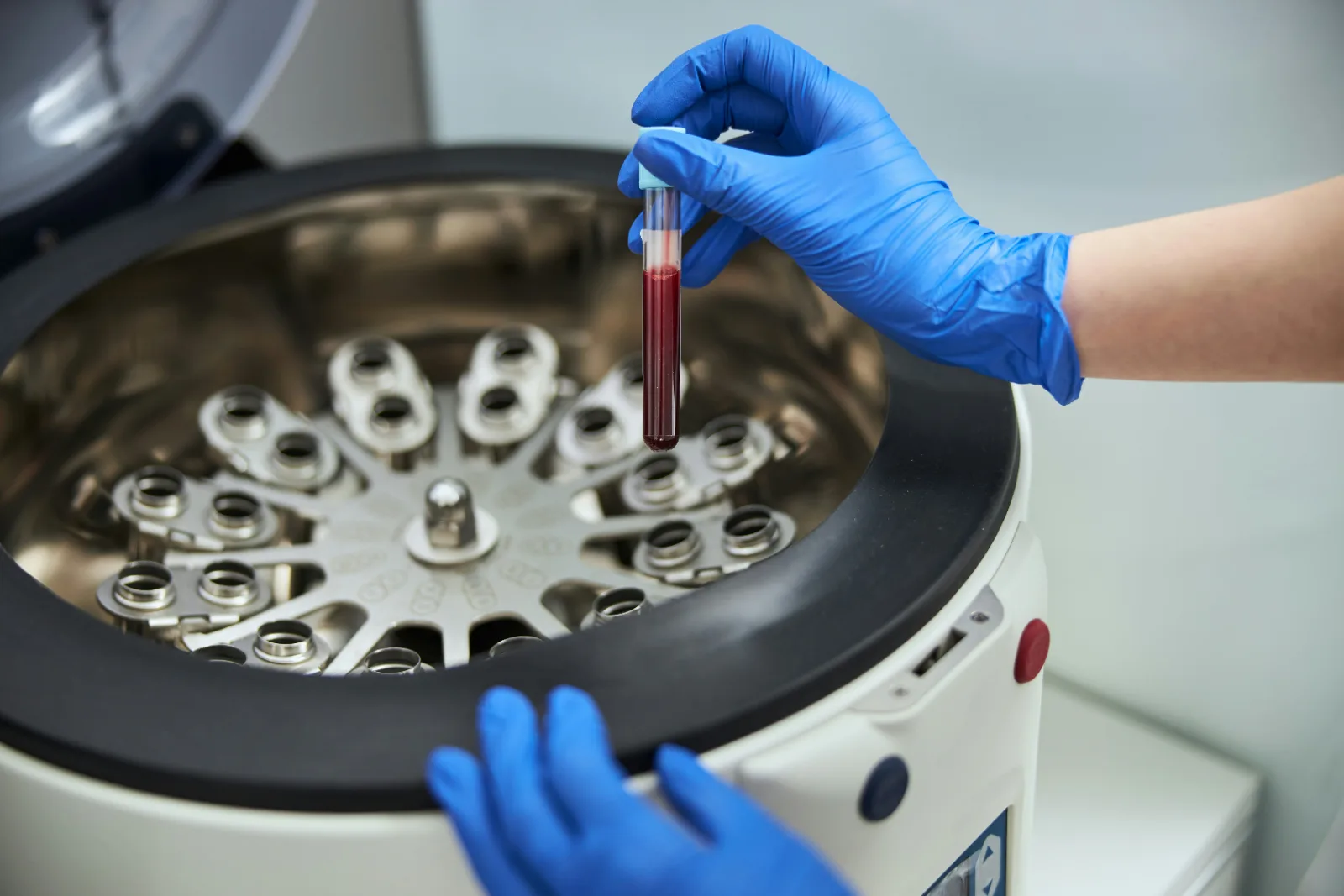
An underactive thyroid will hold weight on regardless of what you eat. So will insulin resistance, which is common and frequently undiagnosed. PCOS, perimenopause and low testosterone all change how a body stores fat. Some medications cause weight gain as a side effect nobody warned you about.
None of that is a reason to skip a GLP-1. It is a reason to know what you are dealing with, because the answer changes the plan and sometimes it changes the dose.
So we start with a proper history and labs: thyroid function, HbA1c, a metabolic panel, lipids, and hormones where the picture suggests it. Then we build a plan around what comes back.
This is also a safety step. GLP-1 medications are not suitable for everyone, and the reasons you might be an exception show up in your history and your bloodwork rather than on a web form.
The question everyone asks
Semaglutide or Tirzepatide — What's the Difference?
They are related but they are not the same drug, and the honest answer is that the stronger one is not automatically the right one for you.
| Semaglutide | Tirzepatide | |
|---|---|---|
| How it works | GLP-1 receptor agonist | Dual GIP and GLP-1 receptor agonist |
| Brand names | Ozempic, Wegovy | Mounjaro, Zepbound |
| Average results in trials | Substantial | Greater on average in head-to-head study |
| Injection | Weekly | Weekly |
| Common side effects | Nausea, reflux, constipation, early fullness | Similar, with nausea often reported as milder |
| Track record | Longer, with more published data | Newer, with strong trial results |
| Best considered when | You want the longer-established option, or tolerate it better | Semaglutide has stalled, or more effect is needed |
Why "stronger" is not always "better for you"
Tolerance matters more than potency. A medication you can stay on for a year will do more for you than a stronger one you abandon in six weeks because you feel sick every Tuesday.
Cost, insurance coverage, your other medications and your own history all feed into this. Plenty of patients start on one and move to the other. That is a normal part of the process, not a failure.
Worth knowing before you shop around
Why the Cheap Online Version Got Complicated
For a couple of years, national shortages meant compounding pharmacies could legally make copies of these medications, and a great many online clinics were built on that. Those shortages have since been declared resolved — tirzepatide in October 2024, semaglutide in February 2025 — and the FDA has been steadily closing the exception that allowed it.
What this means for you as a patient: be careful about where your medication comes from, and ask. A very low monthly price in 2026 is worth a question, not just a click.
We will tell you exactly what we are prescribing, what it costs, and why. If a manufacturer's own direct programme is the better route for you, we will say so even though it means you buy it elsewhere.

What to expect
Your First Six Months
Told properly, including the parts that are unpleasant.
- Visit oneHistory, weight and measurements, bloodwork ordered. We discuss which medication fits and what it will cost. Nothing is prescribed before the labs come back unless it is clearly safe to do so.
- Weeks 1–4Starting dose, which is deliberately low. Most people notice appetite changes within days. Nausea, if it comes, usually arrives here and usually settles.
- Months 2–4Dose steps up gradually. This titration is where supervision earns its keep — going up too fast is the main reason people quit.
- Months 4–6Most patients reach a dose that works and stay there. We check in monthly, repeat relevant labs, and watch muscle mass as well as weight.
- BeyondMaintenance, which is a real conversation rather than an afterthought. See below.
The part that gets skipped
Protein, Muscle and Not Losing the Wrong Weight
Rapid weight loss costs you muscle as well as fat, and muscle is what keeps your metabolism up, your bones loaded and your body working at sixty. Losing a lot of it on the way down makes keeping the weight off considerably harder.
Which is why we talk about protein intake and resistance training from the first visit, not as a wellness slogan but because the medication suppresses appetite so effectively that most people undereat protein without noticing.
If a clinic prescribes you a GLP-1 and never mentions any of this, they are selling you a prescription rather than treating you.

The honest part
What Happens When You Stop?
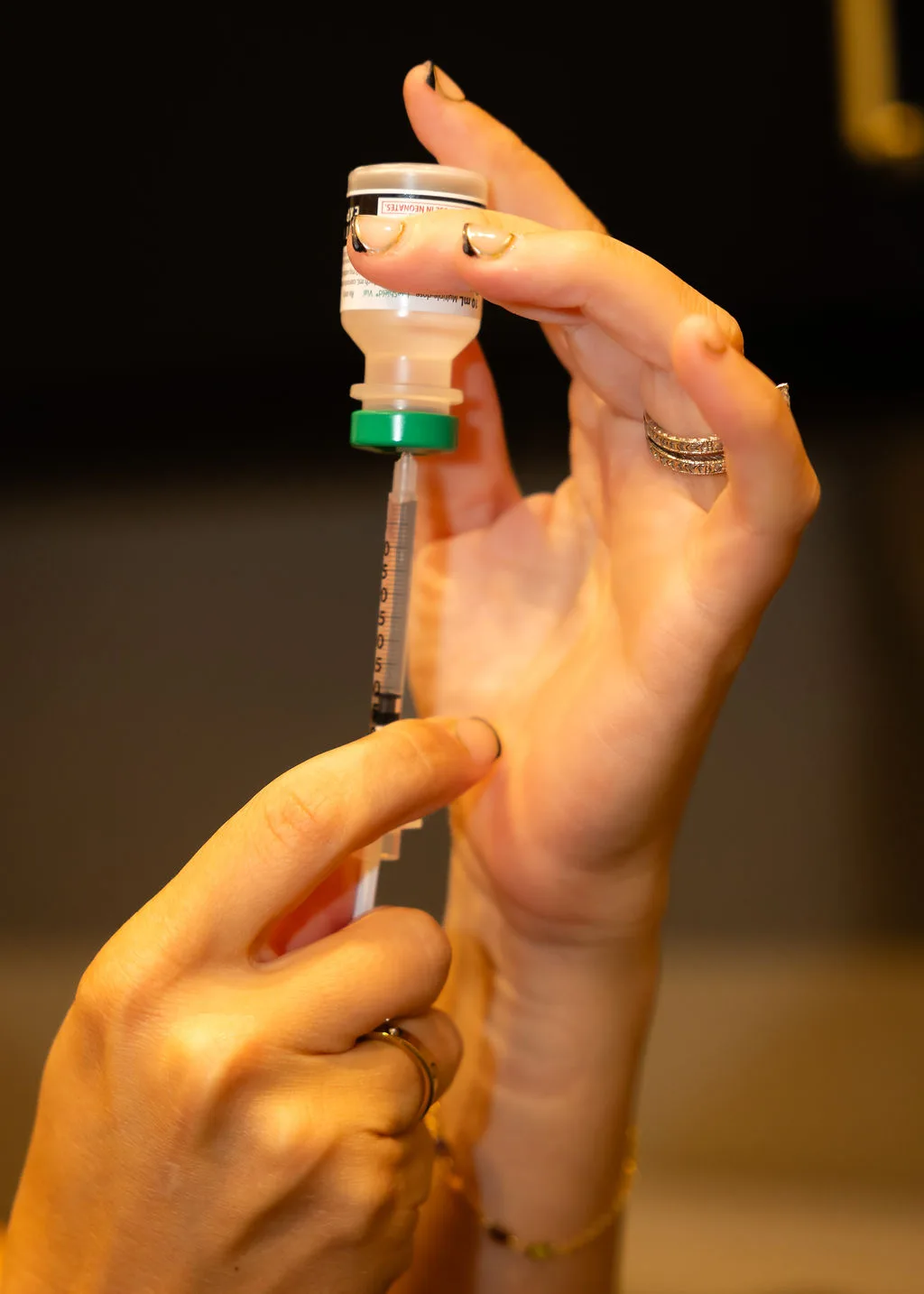
For most people, appetite returns and some weight comes back. That is not a failure of willpower and it is not a flaw in the medication — it is how the medication works. It changes appetite signalling while you take it.
So the real question at your first visit is not "how fast can I lose it" but "what does the year after look like". Some patients taper to a maintenance dose. Some come off and hold it with the habits built along the way. Some stay on long term, as they would for blood pressure.
All three are legitimate. What is not legitimate is a clinic that sells you six months and never raises the subject.
Before you book
Questions We Get Asked Most
Is semaglutide or tirzepatide better for weight loss?
Tirzepatide produced greater average weight loss in head-to-head trial data, but the better medication is the one you can tolerate and stay on. A drug you abandon after six weeks of nausea does less than a slightly weaker one you take for a year. Cost, coverage, your other medications and your history all feed into the choice, and switching between them is normal.
Do I need bloodwork before starting a GLP-1?
We run it, yes. Thyroid dysfunction, insulin resistance, PCOS, perimenopause and low testosterone all affect how a body holds weight, and some medications cause weight gain as a side effect. The labs change the plan and sometimes the dose, and they are also how we check you are a safe candidate.
How much weight will I lose?
Averages from clinical trials exist, but they are averages, and we would rather set your expectation against your own starting point at your first visit than quote you a number from a study. What we can tell you is that loss is gradual by design, and that going faster is not better.
What happens if I stop taking it?
For most people appetite returns and some weight comes back, because the medication works by changing appetite signalling while you take it. Options are tapering to a maintenance dose, coming off and holding it with the habits built along the way, or staying on long term. We discuss which applies to you before you start, not afterwards.
Are the side effects bad?
Nausea, reflux, constipation and feeling full early are the common ones, and they usually arrive in the first month and settle. Most side effect problems come from increasing the dose too quickly, which is exactly what careful titration avoids.
Is compounded semaglutide still available?
The national shortages that allowed compounded copies have been declared resolved — tirzepatide in October 2024 and semaglutide in February 2025 — and the FDA has been closing that exception. We will tell you exactly what we are prescribing and where it comes from. A very low monthly price in 2026 deserves a question.
Will I lose muscle as well as fat?
Some, unless you actively prevent it. The medication suppresses appetite so effectively that most people undereat protein without realising. We talk about protein intake and resistance training from the first visit, because muscle is what makes the weight stay off.
Can I get weight loss medication if my BMI is only slightly raised?
It depends on your full picture rather than one number — other conditions, your labs and your history all matter. That assessment is what the first appointment is for, and sometimes the answer is that a different approach suits you better.
Ready when you are
Start Today
Weight loss starts with a visit and bloodwork, so the plan is built on what is actually going on rather than a guess. Payment collects when you book, your consent and intake go out automatically, and your labs and progress live in one record.